High traffic
Entrances & lobbies
Glass, doors, reception furniture, mats and floors — the first thing residents and visitors see, and the area that collects the most traffic.
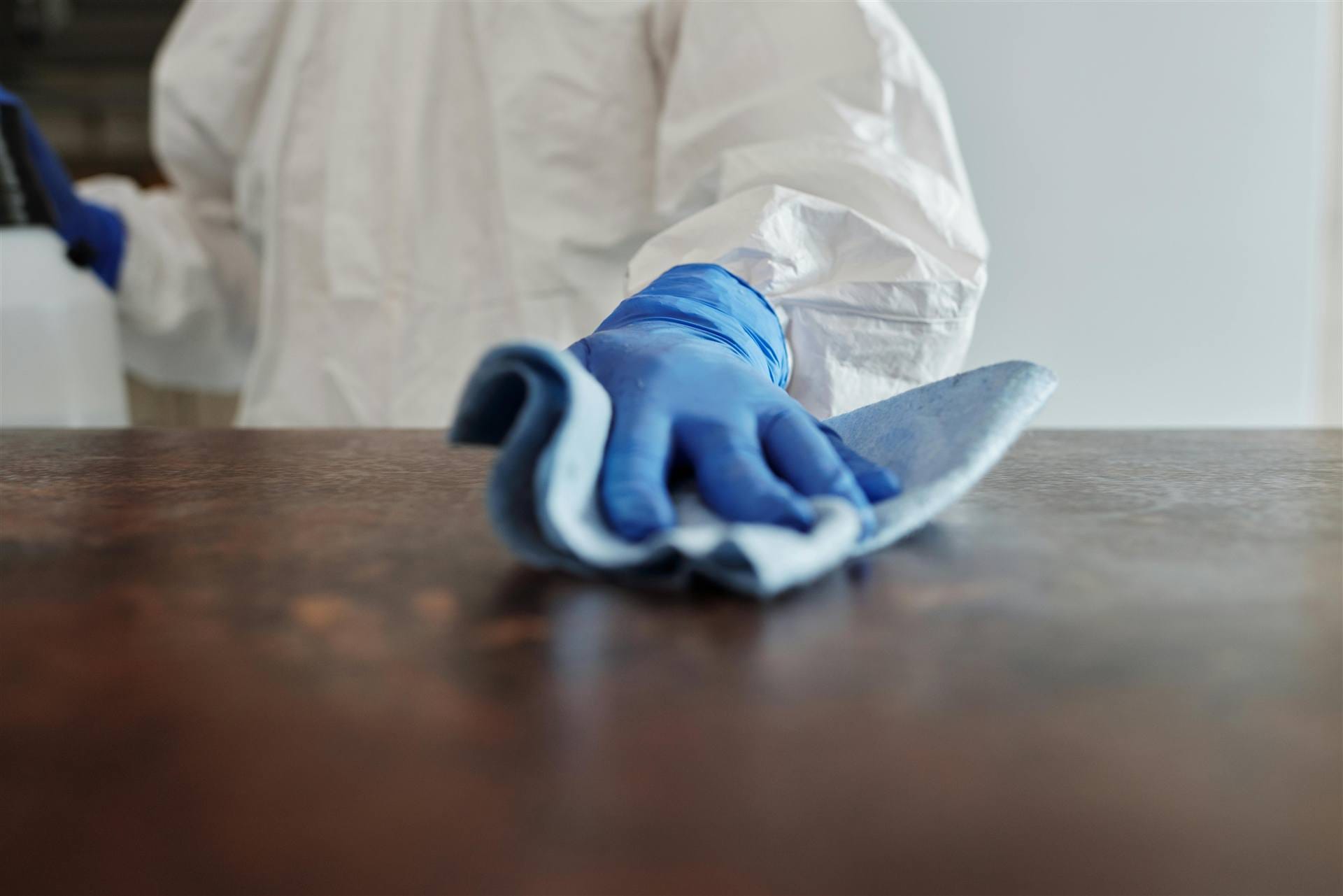
Lobbies, lifts, stairwells, corridors, bin rooms and shared facilities — cleaned on an agreed schedule, run through your nominated contact, with anything needing attention reported as it is found.
Direct Answer
Strata cleaning covers the common areas of a body corporate building — entrance and lobby, lifts, stairwells, corridors, waste rooms, basement car parks and shared facilities such as gyms and pools. The scope is written level by level, the frequency is set against how busy the building is, and the work runs through your caretaker, building manager or strata agent.
Common areas are shared by definition, which makes them the hardest part of a building to keep consistent. One resident's complaint about the lobby, a committee that wants to know what the levy covers, a caretaker juggling maintenance calls — the cleaning has to be predictable enough that nobody has to think about it.
That starts with a written scope. We walk the building with your nominated contact and list every area in scope — entrance, lifts, stairs, corridors, bins, basement, shared facilities — then set a frequency that matches how the building is actually used rather than a generic package. A walk-up with four units and a tower with a gym do not need the same schedule, and pretending they do is how disputes start.
Reporting is the other half. Graffiti in the stairwell, a leaking tap in the bin room, a damaged mat at the entrance — problems found during a visit go to your nominated contact so they can be raised with the committee, instead of sitting there until the next annual inspection.
Direct answer: the shared parts of the building — entrance, circulation routes, waste areas and facilities — cleaned on a schedule written for that building.
High traffic
Glass, doors, reception furniture, mats and floors — the first thing residents and visitors see, and the area that collects the most traffic.
Every level
Walls, handrails, landings, floors and lighting areas through the common circulation routes of the building.
Shared areas
Bin rooms, chutes, basement car parks, gyms, pools, barbecue and laundry areas kept to the standard the building expects.
A defined scope, a fixed schedule and one contact, so the committee can see what the building is paying for and what is actually being done.
Direction is taken from your nominated contact, issues are reported through them, and the same team is kept on the site.
One contract that can cover a building or a portfolio, with scope written clearly enough to sit in a management agreement.
New buildings set up with a checklist and frequency that match the facilities on site, ready before residents move in.
Direct answer: common areas only. Private lots, repairs, landscaping and specialist treatments sit outside a strata cleaning contract unless separately quoted.
Included in the scope
Not included
Send the building address, level count and shared facilities. We will write a scope the committee can read without a translation.
Need a scope for a building?
Send the address, number of levels, shared facilities and preferred frequency — we will come back with an itemised scope and schedule.
Step 01
We walk the common areas with your caretaker or manager and write down exactly what is in scope, level by level.
Step 02
Frequency is set against how the building is actually used, then documented so there is no argument later about what was promised.
Step 03
The team works to the checklist, access is handled through your nominated contact, and anything needing attention is reported.
Commercial Cleaning
Scheduled cleaning for shared and commercial premises.
Office Cleaning
Common in buildings with ground-floor offices or tenancies.
Deep Cleaning
A one-off reset for lobbies and common areas before handover.
Pest Control
Treatment for bin rooms, subfloor and shared spaces if needed.
Cleaning Prices Guide
How cleaning work is scoped and priced across the Gold Coast.
Contact
Talk through your building with our team before the scope is written.
Practical answers for body corporate committees, caretakers and strata managers on the Gold Coast.
Common areas: entrance and lobby, lifts, stairwells, corridors, bin and waste rooms, basement and shared car parks, and shared facilities such as gyms, pools, barbecue areas and laundry rooms — with the exact list agreed for each building.
It depends on the building. A single-level walk-up needs less than a tower with a busy lobby and shared gym. The schedule is set against traffic and usage, written into the scope, and reviewed when the building changes.
Yes. Most strata work runs through the caretaker, building manager or strata managing agent. We take direction from the contact you nominate, keep one point of contact and report issues through them.
Issues found during a visit — graffiti, damaged fittings, a leak, maintenance needed in a common area — are reported to your nominated contact so it can be raised with the committee rather than waiting for an annual inspection.
Yes. Lobbies, corridors and shared facilities are usually serviced outside peak resident hours, and access arrangements — keys, fobs, alarm codes — are agreed with your building manager when the contract starts.
Soap, paper products and other amenities for common-area bathrooms can be included in the scope, or left with your existing supplier. We confirm which arrangement applies when the schedule is set up.
Send the address, levels and shared facilities, and we will write a scope and schedule the committee, caretaker and manager can all work from — across the Gold Coast, from Coomera to Palm Beach.